
“Some silences feel heavier than words. Some goodbyes never quite finish saying themselves.”
Quill
Today, I have been asking myself what to post about and truly I was torn between two topics.
Mainly because each one has their own kind of “heaviness” that can be difficult for people to discuss.
After much debate, I decided that this week’s topic was weighing heavily on my heart and mind.
The funny thing is I’ve felt ashamed to have this belief that I deserve an apology from the people who’ve died in my life.
And for the longest time I felt like the only one.
I know that most people who die don’t choose to. The ones who don’t have control over their death still leave a void, the same as those who choose death.
Still I have this nagging feeling that they owe their loved ones one heck of an apology.
Yes, I do understand how odd this sounds. But grief isn’t one size fits all and can’t tidily be placed in a box.
Sometimes, the confusion wears the ache of abandonment– a voice saying, “You left before could tell you everything I needed.”
When someone passes, people have been taught to speak gently and keep their memory untainted.
But what they ignore or choose not to teach you–what do we do with the anger, the rage that’s buried under the sadness.
No one had these uncomfortable talks about resentment that fester when you’re the one left behind holding all the pieces of a connection that ended too soon.
The Weight of What You’ll Never Hear
I don’t think grief follows rules, reason, or age. A child grieves in different ways than that of an adult. Each person’s grief presents itself in numerous ways–some healthier than others.
But to me grief is grief, I think it’s unfair to the person left behind to be told how they should work through their pain, anger, and all the messy emotion.
To the ones left, our minds can’t accept they “didn’t want to” –all we see is that subtle haze of unfinished business. But if they didn’t want to, what about the ones who choose to leave?
How are we supposed to grieve? Their loved ones left behind don’t have the small comfort of it being out of their control.
They have that heaviness, the “Why did you choose to leave? Did I cause this? Is this my fault?”
“We don’t want revenge from the dead — just a whisper that says, ‘I’m sorry you’re the one who has to keep going.’”
Everyone left abandoned is always left with the guilt of wanting an apology.
Apologize for leaving things shattered.
Apologize for leaving me wondering.
Apologize for leaving me to untangle the pain you left behind.
Realizing an Apology Might Never Come

The guilt–the strange guilt that comes from this mindset of grief induced demand for an apology from someone who’s gone.
It feels selfish for flashing across your mind– as if grief is only allowed to be expressed as sorrow, and not the quiet anger that simmers.
I’ve realized that emotions have no master. They don’t just fall in line like a soldier following orders–they’re a wild feral cat, hissing and cautious of humans trying to help.
“Grief isn’t always tears; sometimes it’s claws.”
Quill
I looked in the mirror and realized I’m the hissing cat.
The person who’s so cautious of people, the one who lashes out because of the apology I’ll never get from them.
My reflection no longer showed the image I used to be, a happy, clear-eyed person.
It forced me to pause.
To realize I don’t want to be consumed with grief to the point I can no longer remember who I was before my world crashed.
The apology I was waiting for could only come from me.
And once I accepted that, maybe that’s where I could start remembering who I used to be– not in trying to tame the feelings, but by letting them come at their own pace.
By becoming the soft space for them to curl up beside, to rest, just as I finally can.
The Apology You Gave Yourself

It took me longer than I wanted to understand that forgiveness isn’t something that you wait for–it’s something created by you.
I didn’t get a letter in the mail, no whisper in the wind, or cosmic dream with an image of our loved one saying, “It’s okay to let go and be free.”
It was just me– eyebags, tear streaked cheeks, and the want to stop holding my breath.
I started small.
I gave myself the okay to miss them and feel angry at the unfairness of it all. To still wake up days after and wish things were different.
But mostly, I gave myself the permission to not want to suffer anymore–to want peace, even if the closure never actually happened.
“The apology I’d been waiting for was never theirs to give — it had always been mine.”
Quill
I think the hardest thing to accept was that the apology I have been looking for was never something they needed to give me or could give me.
It had always been mine.
I had to forgive myself for feeling human emotions–for lacking in the grace department.
For the messiness.
For the anger.
For being a little broken but still trying.
Maybe forgiveness doesn’t remove the ache completely– maybe it just dulls the ache enough to take back control.
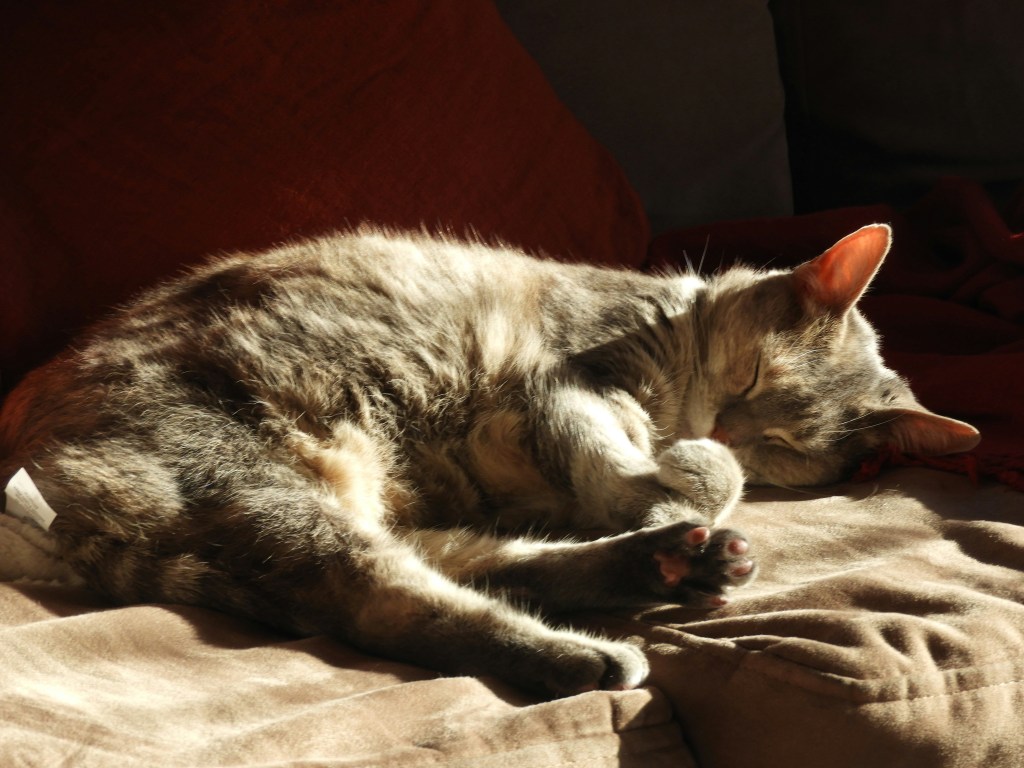
Now, the times I think of them, my anger isn’t as cold. It gives support to love, in a softer, smaller way–like my cat deciding to nap in the sunspot in the living room.
The silence of my lost ones hasn’t changed, but mine certainly has.
It’s not weighing me down– it’s still.
The Quiet After the Storm
During all of this, there’s a strange quiet that hums after forgiveness–it’s not a hollow feeling but it’s soft, almost tranquil, like the first deep breath after a storm.
The world no longer looks the same once I stopped demanding an apology. Colors slowly stain the world, the morning light is warm once again, even the silence is less overbearing.
I’ve noticed the small mercies again–the sounds of the coffee brewing, the warmth of a blanket, the sun shining on my rugs. I like to believe it’s proof that life will keep showing up, even when I’m relearning to stand.
“Maybe healing isn’t loud. Maybe it’s just the sound of your own breath again.”
Sometimes I catch myself thinking of the loss, and I’ve realized my ache isn’t a wound–it’s a scar, smooth to the touch.
And maybe that’s how we know the apology you gave to yourself worked–when you stop waiting for the world to say it’s okay, and start believing it already is.
What Letting Go Feels Like
“Cats don’t chase after what walks away. They pause, stretch, and find a new sunbeam. Maybe that’s what healing looks like too.”
Letting go isn’t saying goodbye forever.
It’s about saying, I’ll carry you differently.
The ache I feel for my lost ones is still there– still throbbing, but it no longer feels unanswered. Its more of a quiet agreement.
What about you guys? What’s the apology you’ve stopped waiting for–and what have you told yourself instead?